
Robotic surgery, explained simply
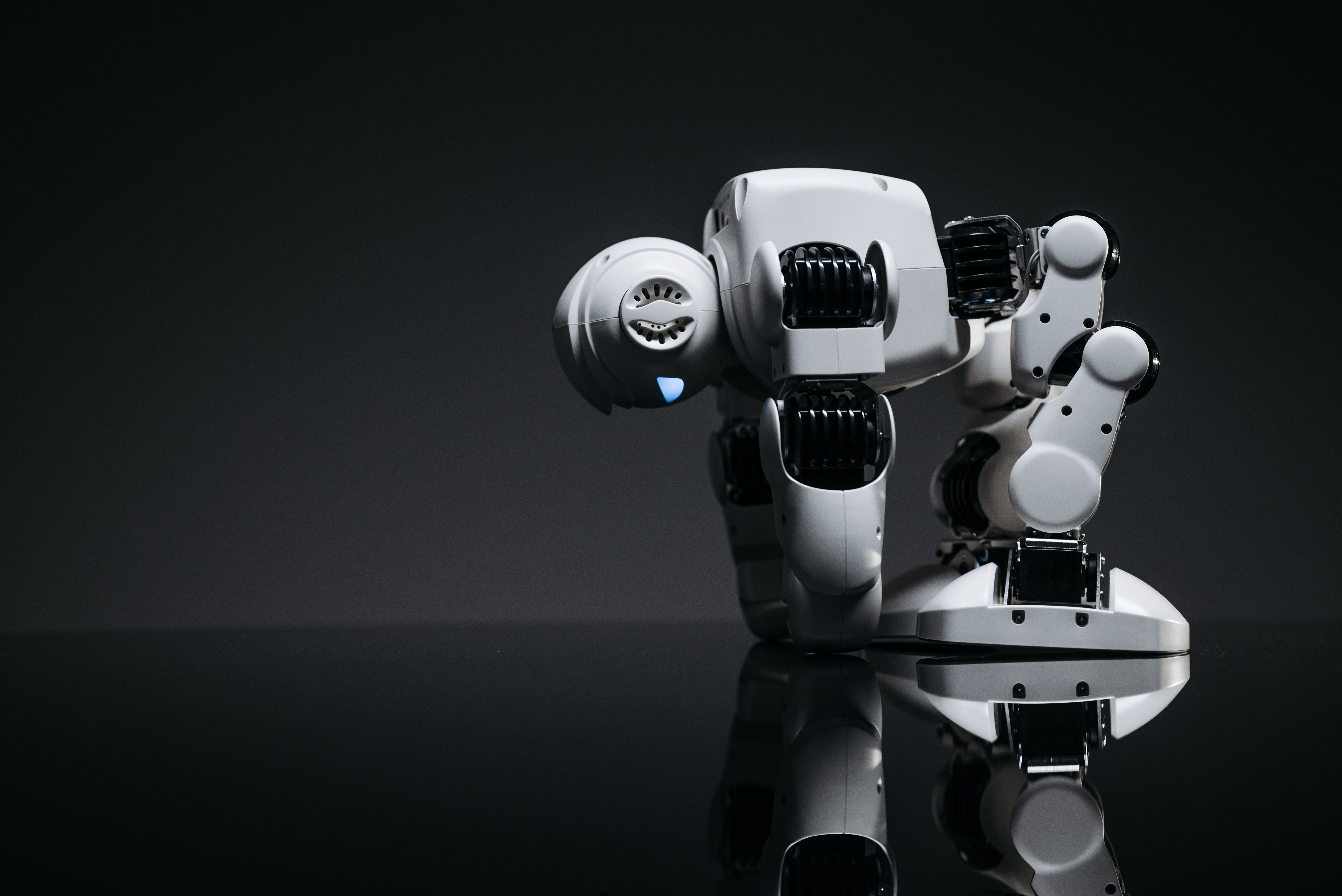
What robotic-assisted cancer surgery actually is, what it isn't, and why it can mean smaller incisions and faster recovery.
The word 'robot' can be misleading. In robotic-assisted surgery, the surgeon is always in control — the system simply extends the precision of their hands through instruments smaller and steadier than any human wrist.
What the system actually does
The surgeon operates from a console a few feet from the patient. High-definition 3D vision and wristed instruments translate their movements into fine, tremor-free actions inside the body — through incisions often no larger than a fingertip.
Why patients notice the difference
- Smaller incisions and less blood loss
- Shorter hospital stays for many procedures
- Faster return to work and daily activities
- Precise dissection around delicate nerves and vessels
When it's the right choice
Robotic surgery is a tool, not a promise. It suits many gynaecological, urological, colorectal, and head-and-neck cancers extremely well — and is less relevant for others. The right question is not 'is it robotic?' but 'is this the best approach for my specific cancer?'
Written by
Dr. Ajay Kumar
4 min read